Southern California is one of the easiest places to grow green beans, as long as you work with two realities: our long warm season and our dry air. Beans love warmth, but they do not love erratic watering or heat spikes during flowering. If you time your planting and keep moisture steady, you can pull harvests for weeks.
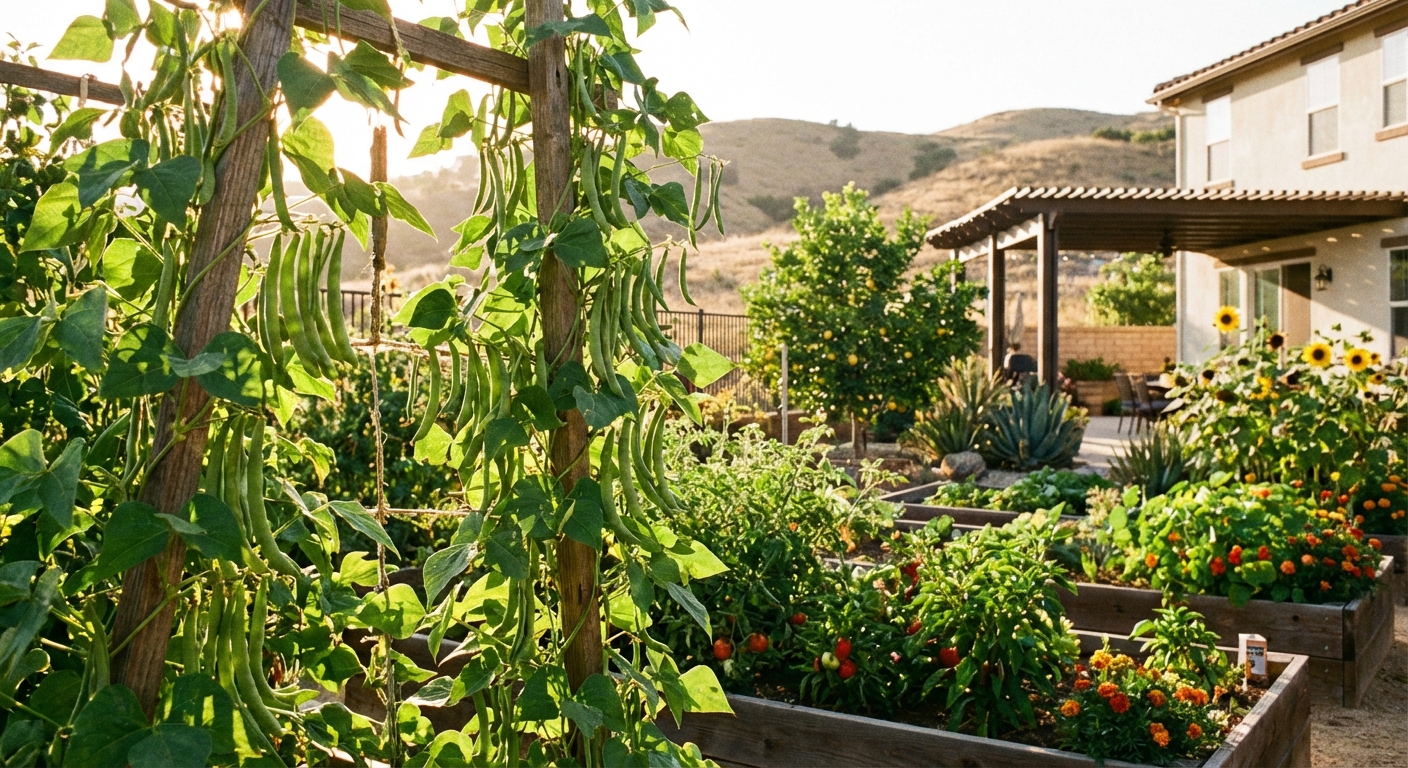
Best times to plant in Southern California
Beans are a warm season crop. They germinate best when soil is warm and they grow fast once nights stay mild. In Southern California, planting dates can swing a lot by microclimate. Marine layer neighborhoods warm later, inland valleys and desert edges warm earlier, and higher elevation areas run later.
Spring planting window
- Coastal and cooler pockets: April through May (late March can be too early in some years)
- Inland valleys and warmer zones: March through early June
- High elevation or frost-prone spots: Late April through June
Wait until soil is at least 60°F, and ideally mid 60s or warmer. If you plant into cold, wet soil, seeds can rot or sprout unevenly.
Late summer and fall window
- Most SoCal gardens: Late July through September
Fall beans are underrated here. You avoid some spring pest pressure, and you often get great pod quality if you keep watering consistent through late summer heat.
To dial in late summer timing, check your variety's days to maturity (often about 55 to 70 days for snap beans) and count backward from your first real cold snap. Coastal gardens may have no frost deadline, while inland and higher elevation gardens often slow down in November or December.
What about winter?
In the warmest microclimates you might get beans to survive, but production is usually slow and disappointing. If you want winter legumes, peas tend to be a better bet.
Bush vs pole beans
Both grow well in Southern California. The right choice depends on your space and how you want to harvest.
Bush beans
- Compact plants, usually 12 to 24 inches tall
- Faster to harvest, often in a big flush
- Great for raised beds and containers
If you want a quick crop for weeknight dinners, bush beans are the simple option.
Pole beans
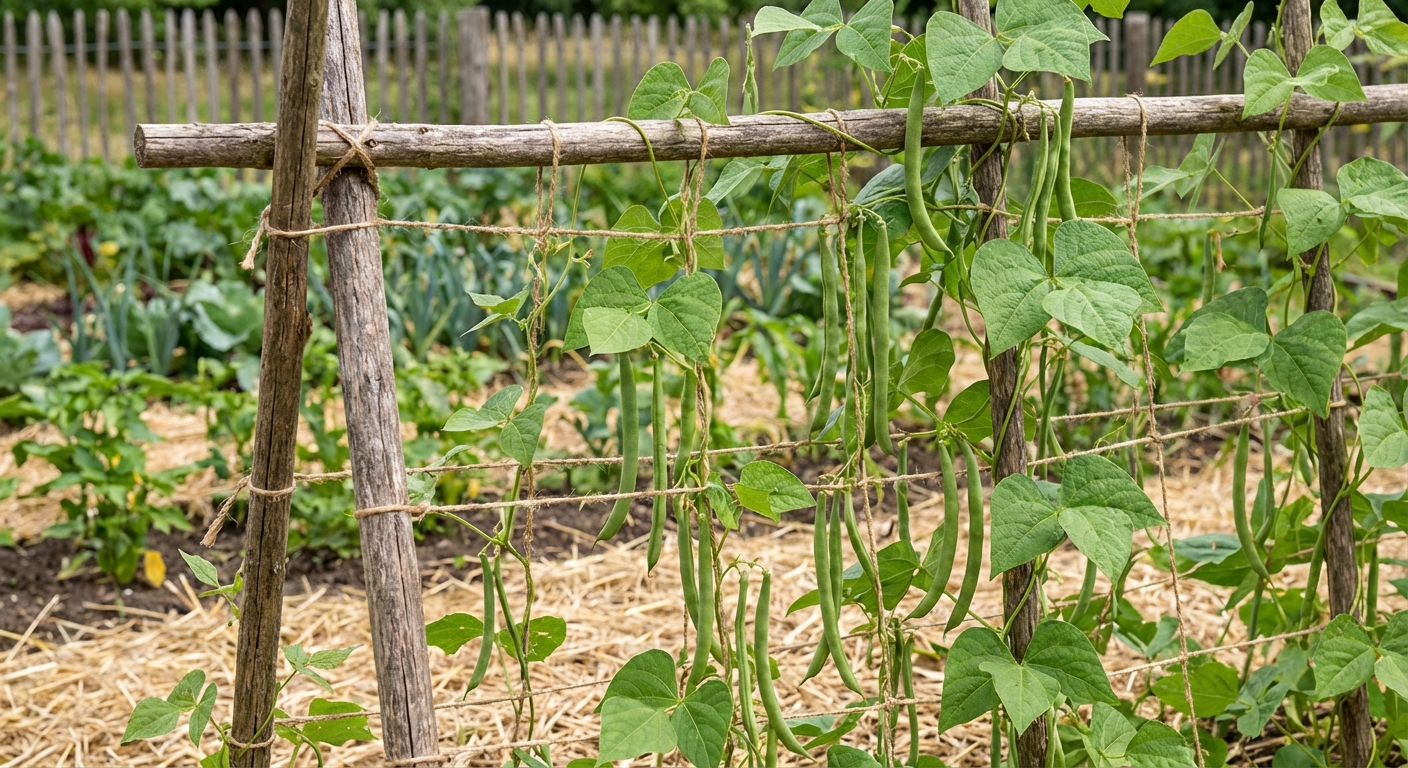
- Vining plants that climb 6 to 10 feet with support
- Longer harvest window when picked regularly
- Better for small footprints because they go vertical
In SoCal, pole beans shine in late summer if you can shade the root zone and keep the soil evenly moist.
Varieties that do well in SoCal
You can grow most common snap beans here, but a few traits matter more in our climate: heat tolerance, disease resistance, and reliable pod set.
Reliable bush bean types
- Provider: Dependable, early, handles variable conditions
- Contender: Solid producer, good flavor, often handles warmth well
- Blue Lake bush types: Classic taste and texture, great for fresh eating
Reliable pole bean types
- Blue Lake pole: Heavy producer if watered consistently
- Romano types: Flat pods, great flavor, often productive in warm weather
Soil prep for beans
Beans are not heavy feeders, but they care a lot about soil structure. The biggest wins come from good drainage, steady moisture, and moderate fertility.
What beans want
- Loose soil: Seeds need oxygen to sprout, roots need room to expand
- Compost: Mix in 1 to 2 inches before planting
- pH: Roughly 6.0 to 7.5 is fine for most gardens
Go easy on nitrogen
Too much nitrogen gives you gorgeous leaves and fewer pods. If you fertilize, choose something gentle and balanced, or just use compost. If your beans look deep green and vigorous but are not flowering, back off feeding and check water consistency.
SoCal hard water, salts, and alkalinity
Many Southern California gardens deal with hard water and salty or alkaline soil. If you see a white crust on the soil or your plants look stressed even with regular watering, salts may be building up. Compost helps, and an occasional deeper soak to flush salts below the root zone can make a difference, as long as your soil drains well.
Raised beds and containers
Bush beans do well in containers if you give them enough soil volume.
- Minimum container size: 10 to 12 inches deep
- Potting mix: Use a vegetable blend and add compost
- Drainage: Non-negotiable
How to plant green beans
Beans are best direct-seeded. They dislike root disturbance, and they germinate quickly in warm soil.
Planting depth and spacing
- Depth: 1 inch (a little shallower in heavy soil)
- Bush bean spacing: 3 to 6 inches apart, rows 18 to 24 inches
- Pole bean spacing: 4 to 6 inches apart along a trellis, or 4 to 6 seeds around each pole
If you garden in an intensive raised bed style, bush beans are often happy at about 4 inches apart if you keep airflow decent and do not overhead water at night.
Trellis tips for pole beans
Set up support before seedlings start reaching. A sturdy trellis matters because vines get heavy once pods fill.
- Cattle panel arches, netting on T-posts, or a simple A-frame all work
- Anchor well if you get afternoon winds
Watering in Southern California
Most bean problems here come back to watering. Not just how much, but how consistent. Rule of thumb: water deeply, then re-water before the bed swings from comfortably moist to dusty dry, especially once flowering starts.
Keep moisture steady from bloom to harvest
When beans start flowering, swings between dry and soaked can cause blossom drop and crooked pods. Aim for evenly moist soil, not mud.
Practical watering guidelines
- Newly seeded beds: Keep the top inch lightly moist until sprouting
- Growing plants: Deep water, then let the top inch dry slightly
- Heat waves: Add an extra soak and mulch the root zone
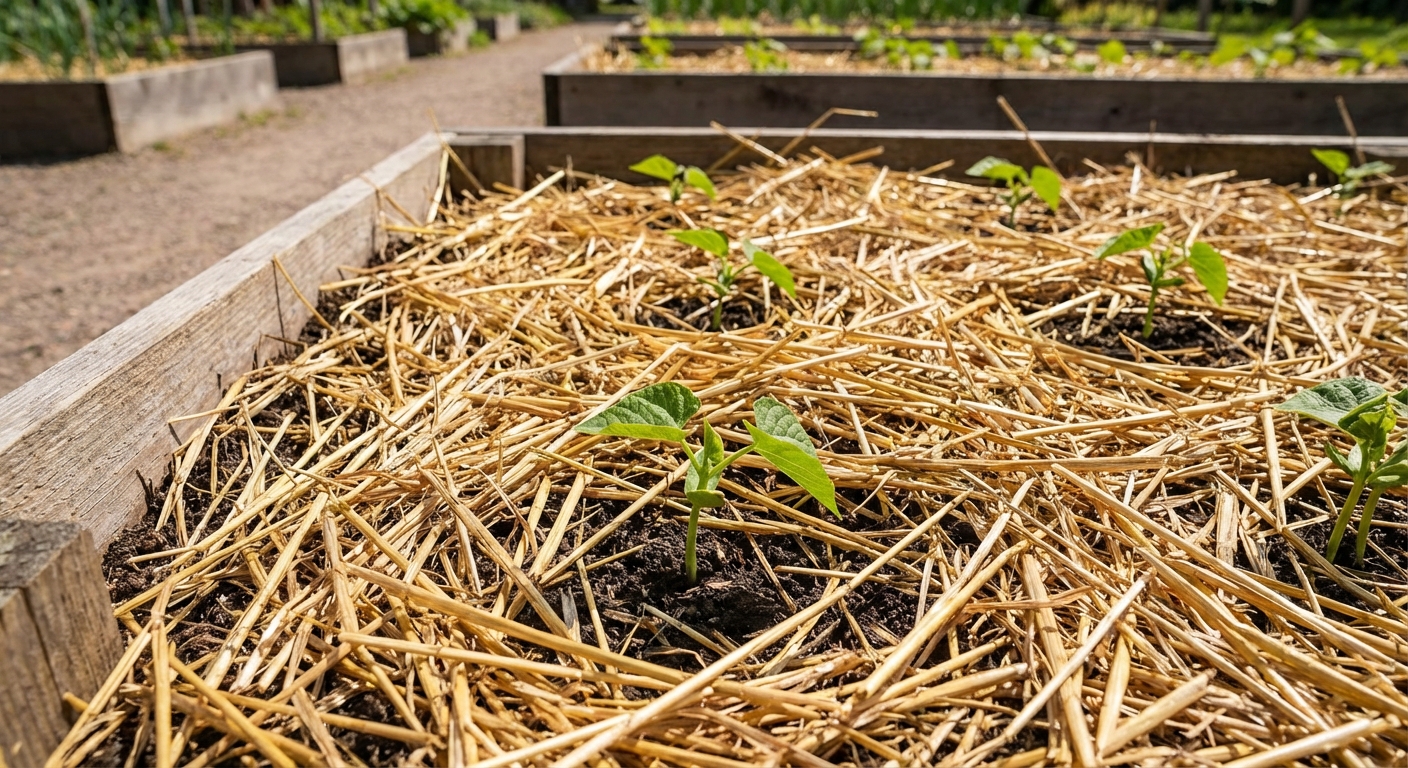
Mulch helps more than fertilizer
In our sun, mulch is a major advantage.
- Use straw, shredded leaves, or fine bark
- Keep mulch a couple inches away from the stems
Sun and heat
Beans like full sun, but intense inland summer sun can stress plants, especially during flowering. Blossom drop is common when daytime highs push past about 90 to 95°F, and it is more likely if nights stay warm too.
If you regularly see 95°F to 105°F days, plan for a little protection.
Simple heat strategies
- Morning sun, lighter afternoon sun: Plant where they get a break after 2 or 3 pm
- Shade cloth: 30% to 40% shade during heat waves can improve pod set
- Cool the root zone: Mulch and deep watering early in the day
If your plants look healthy but stop setting pods during extreme heat, that is normal. They often rebound once temperatures dip.
Feeding beans
Beans can fix nitrogen with the help of soil microbes, but that only happens when the right Rhizobium are present and nodulation is successful. In many home gardens, beans still benefit from modest fertility at the start.
A simple approach
- Work compost into the bed before planting
- If growth is pale or slow after the first true leaves, use a light balanced organic fertilizer
- Avoid high-nitrogen lawn-type products anywhere near the bed
Optional: inoculant
If you are gardening in new raised beds, very sandy soil, or a spot that has not grown beans in years, a bean inoculant can help root nodules form. It is optional, not required, but it can improve vigor where soil life is low.
Common pests in SoCal
You do not need a chemistry set to grow beans, but you do need to check plants regularly. Catching problems early is half the battle.
Aphids
- Signs: Clusters on new growth, sticky residue, curled leaves
- Fix: Strong water spray in the morning, repeat as needed. Encourage ladybugs and lacewings.
Spider mites (common in hot, dry weather)
- Signs: Fine webbing, stippled yellow leaves, plants look dusty
- Fix: Rinse undersides of leaves with a firm spray every few days during flare-ups and keep plants from drying out. Severe cases may need insecticidal soap, applied in the evening.
Chewing pests (cucumber beetles, caterpillars)
- Signs: Holes in leaves, ragged edges, damaged seedlings
- Fix: Hand-pick when possible. Use lightweight row cover early in the season if pressure is heavy. Check for caterpillars on leaf undersides.
Leafhoppers and thrips
- Signs: Stippled leaves, curled or distorted new growth, plants that look stressed even with good care
- Fix: Keep weeds down, use yellow sticky traps to monitor, and use a strong water spray to knock pests back. Row cover can help early.
Earwigs and sowbugs on seedlings
- Signs: Seedlings clipped or chewed at night
- Fix: Reduce thick, wet mulch right at the stem line until plants size up. Use simple traps and hand removal.
Slugs and snails (especially coastal)
- Signs: Ragged holes and slime trails, mostly on young plants
- Fix: Hand-pick at dusk, use iron phosphate bait if needed, and remove hiding spots.
Diseases and growth issues
Powdery mildew
Shows up as white dusty patches, especially when nights are cool and days are warm.
- Improve airflow and avoid wetting foliage at night
- Remove heavily affected leaves
Rust or leaf spot
- Remove infected leaves
- Do not compost diseased foliage if infection is widespread
- Rotate where you plant beans next season
Lots of leaves, few beans
- Usually too much nitrogen or inconsistent watering
- Also happens when plants are stressed during flowering heat
Dial back feeding, mulch, and keep water steady. If it is 100°F every afternoon, give them a little shade and wait for the weather to settle.
Harvest for best flavor
Harvest timing makes a bigger difference than most people realize. Beans are at their best when pods are firm and crisp, before seeds swell.
Harvest tips
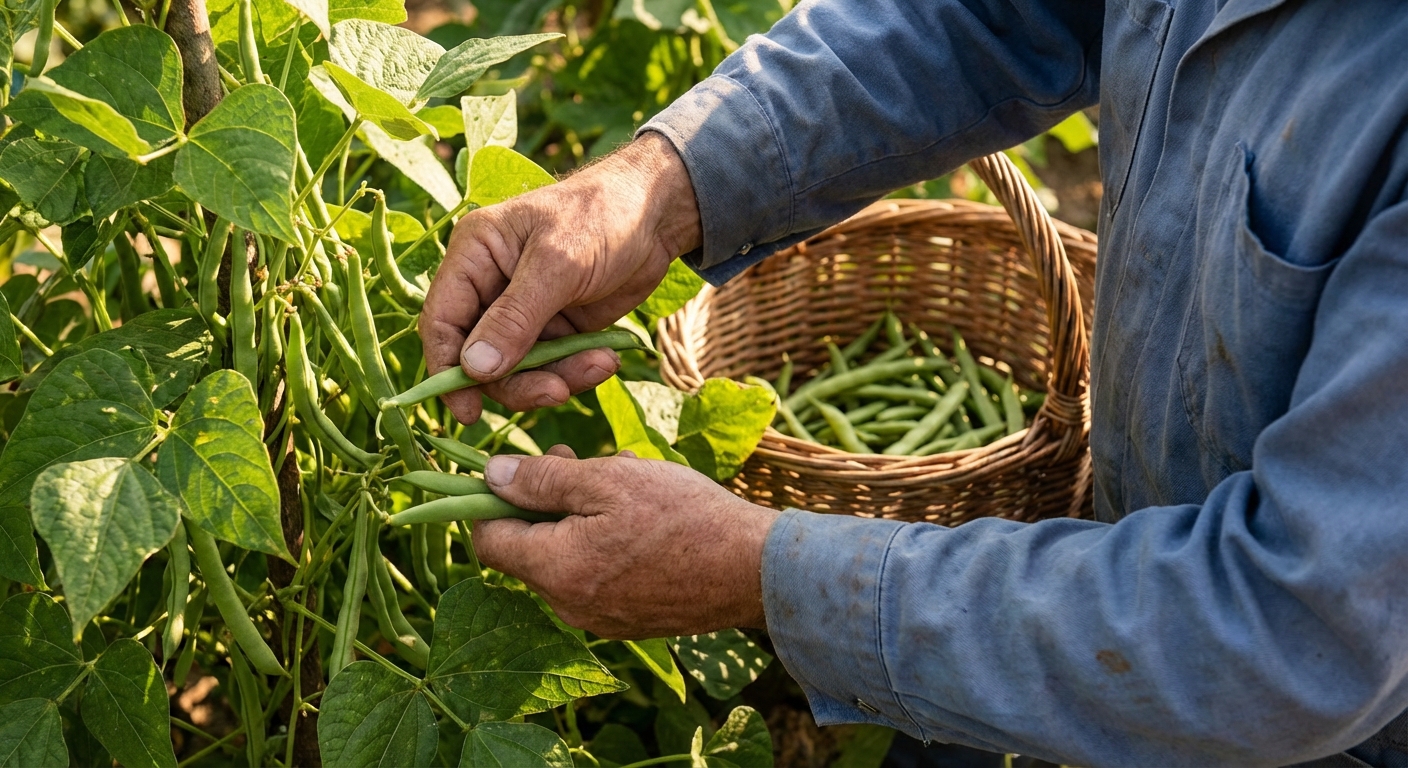
- Pick every 2 to 3 days once production starts
- Hold the vine with one hand and pick with the other to avoid snapping stems
- Regular picking tells the plant to keep producing
If pods get big and tough, do not feel bad. Let a few mature fully and save seed if your variety is open-pollinated, or just compost them and keep picking the tender ones.
Succession planting
Instead of planting all at once, plant smaller batches.
- Spring: Plant every 2 to 3 weeks for 2 or 3 rounds
- Late summer: Plant one main round, then a second round 2 weeks later
This is especially helpful in Southern California where a single heat wave can disrupt flowering. Staggering spreads your risk.
Quick troubleshooting
- Seeds not sprouting: Soil too cool, too wet, or birds digging. Replant when warmer and consider light coverage.
- Flowers drop, no pods: Heat stress or uneven watering. Mulch, deep water, add temporary shade.
- Yellow leaves: Often water stress or poor drainage. Check soil moisture before adding fertilizer.
- Plants stop producing: Pods left to mature, or plants are finishing. Harvest more often and start a new succession.
A simple SoCal bean plan
If you want the shortest path to success, here is a basic approach that works in most backyards.
- Pick one bush variety for spring and one pole variety for fall
- Plant in warm soil and keep the top inch moist until sprouting
- Mulch early once seedlings are a few inches tall
- Water consistently from flowering through harvest
- Harvest often to keep plants producing
Do that, and green beans become one of the most rewarding crops you can grow in Southern California, even if your garden is not perfect.